The debate between PC gaming and console gaming is one of the longest-running discussions in the interactive entertainment industry. Both platforms have evolved dramatically over the past two decades, yet each retains a distinct identity shaped by hardware philosophy, software ecosystems, and player expectations. For anyone weighing where to invest their time and money, understanding the structural differences between these two worlds is essential. This analysis breaks down the key distinctions across performance, cost, flexibility, and experience.
Hardware Architecture and Performance
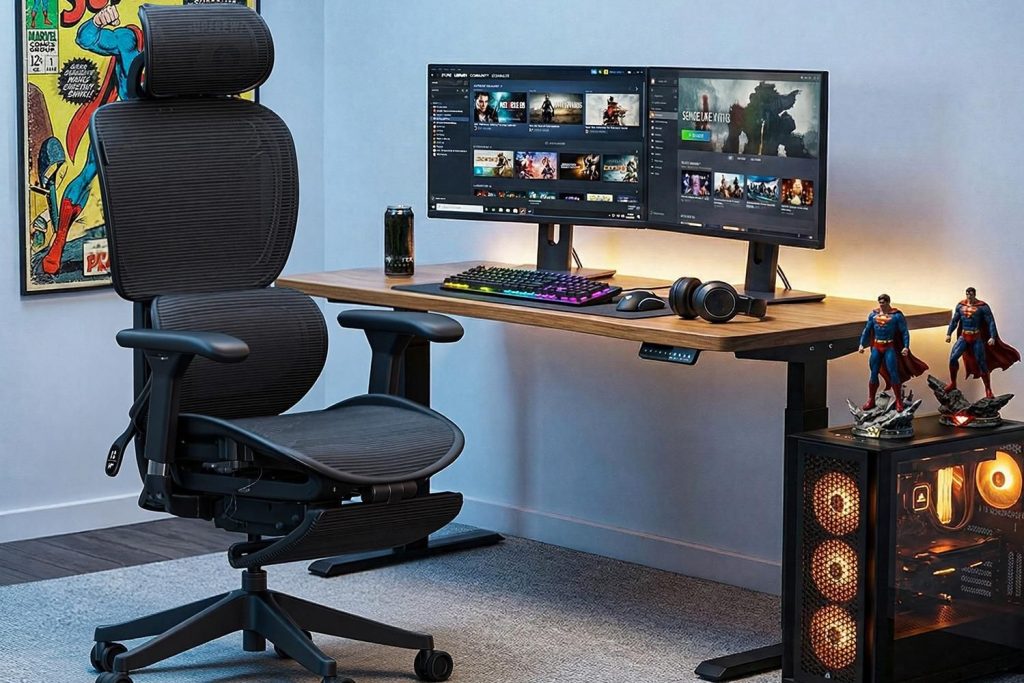
The most fundamental difference lies in hardware design philosophy. A gaming PC is a modular system built from individually selected components: a central processing unit, a dedicated graphics card, memory, storage, and a motherboard. This modularity allows enthusiasts to target specific performance tiers, from budget 1080p builds to multi-thousand-dollar 4K rigs capable of ray-traced rendering at high frame rates.
Consoles, by contrast, are closed systems manufactured to a fixed specification. A PlayStation 5 or Xbox Series X ships with a predetermined GPU, CPU, and memory configuration that remains constant for the entire generation, typically seven to eight years. Developers optimize aggressively for this fixed hardware, which often allows consoles to punch above their weight class in raw efficiency.
However, the performance ceiling on PC is effectively unlimited. A high-end graphics card released today can deliver frame rates and visual fidelity that no console can match, particularly at resolutions beyond 4K or in competitive scenarios demanding 240Hz refresh rates.
Cost of Entry and Long-Term Investment
Upfront cost is where consoles traditionally hold a decisive advantage. A current-generation console retails for a fraction of what a comparable gaming PC costs. Yet the total cost of ownership tells a more nuanced story.
| Initial Hardware Cost | High ($800–$2,500+) | Moderate ($400–$600) |
| Online Multiplayer Fees | None (free) | Required subscription ($60–$80/year) |
| Game Pricing | Highly competitive, frequent sales | Higher, slower to discount |
| Upgrade Path | Component-by-component | Full console replacement |
| Backward Compatibility | Extensive, often indefinite | Limited to specific generations |
Over a console’s lifespan, subscription fees for online play can add hundreds of dollars to the total. PC gamers, meanwhile, benefit from deep digital storefront discounts, free multiplayer access, and the ability to upgrade only the components that need refreshing.
Versatility and Ecosystem
A gaming PC is not merely a gaming device. It functions as a workstation capable of video editing, software development, streaming, and productivity. This versatility is a significant advantage for users who need one machine to serve multiple purposes.
Consoles are purpose-built entertainment appliances. They excel at delivering a frictionless, living-room-friendly experience with instant resume features, controller-first interfaces, and consistent performance. The trade-off is a lack of flexibility: consoles cannot run productivity software, mod games to the same degree, or adapt to emerging use cases.
Game Library and Exclusives
Each platform offers titles unavailable elsewhere, though the landscape has shifted considerably.
- PC exclusives span a vast range of strategy games, simulation titles, and massively multiplayer experiences that rely on keyboard and mouse input.
- Console exclusives from Sony and Nintendo remain powerful draws, though Sony has increasingly ported former exclusives to PC years after launch.
- Cross-platform releases now dominate the market, meaning most major titles appear on both PC and consoles simultaneously.
PC also benefits from backward compatibility stretching back decades, emulation communities, and access to indie titles that never receive a console port.
Input Methods and Customization
Control schemes differ substantially. PC gaming supports keyboard and mouse, controllers, flight sticks, racing wheels, and virtually any peripheral. This flexibility is decisive in genres like real-time strategy and first-person shooters, where mouse precision offers a measurable competitive edge.
Consoles standardize on gamepads, which creates a level playing field and suits action, sports, and platforming games. Modern consoles also support keyboard and mouse in select titles, but adoption remains inconsistent.
Modding and Community Content
One of PC gaming’s most distinctive strengths is modding. Communities create everything from graphical overhauls to entirely new campaigns, extending the lifespan of games indefinitely. Titles like Skyrim, Minecraft, and Grand Theft Auto V owe much of their enduring popularity to mod ecosystems.
Console modding exists but is tightly controlled by manufacturers. Players are limited to curated, approved content, preserving stability and security at the cost of creative freedom.
Technical Complexity and Maintenance
PC gaming demands a willingness to engage with drivers, settings menus, and occasional troubleshooting. Not every game launches in optimal condition, and achieving peak performance requires configuration knowledge.
Consoles prioritize convenience. Updates apply automatically, settings are pre-optimized, and hardware failures are rare. For players who value simplicity, this plug-and-play reliability is a decisive factor.
Conclusion
Choosing between PC and console gaming ultimately depends on personal priorities. Those seeking maximum performance, customization, versatility, and long-term value typically gravitate toward PC. Those prioritizing affordability, simplicity, and exclusive titles often prefer consoles. The good news is that the two platforms increasingly coexist, with cross-play and shared ecosystems reducing the barriers between them. Rather than a rivalry, the relationship is better understood as a spectrum of experiences suited to different players.