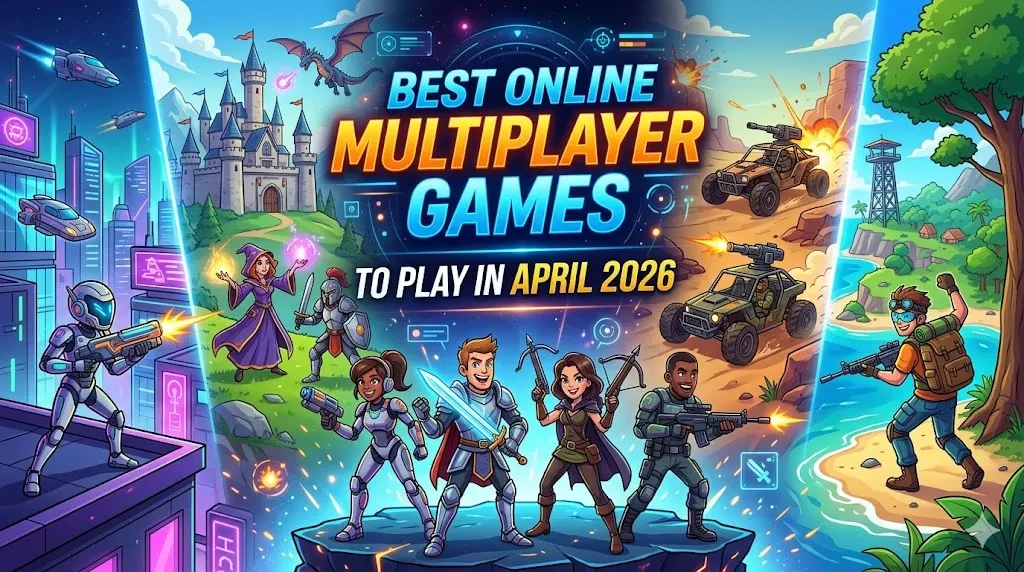
The online multiplayer gaming market has exploded into a multi-billion-dollar industry, offering players an unprecedented variety of experiences. From fast-paced shooters to expansive role-playing worlds, the options can feel overwhelming. Choosing the right game is not simply a matter of picking the most popular title; it requires a thoughtful assessment of your preferences, hardware, social goals, and long-term commitment. This guide will walk you through the essential criteria for selecting the best online multiplayer games for your unique needs.
Define Your Core Gaming Preferences
Before browsing storefronts or reading reviews, you must understand what you actually enjoy. Multiplayer games span dozens of genres, and each demands a different skill set and time investment. Start by asking yourself a few fundamental questions:
- Do you prefer cooperation or competition? Cooperative games (co-op) reward teamwork against AI or environmental challenges, while competitive games pit you against other human players.
- How much time can you dedicate per session? Some games require 45-minute matches; others offer 10-minute bursts or persistent worlds you can dip into.
- Do you enjoy progression or instant action? RPG-style multiplayer games offer long-term character growth, whereas arena shooters focus on moment-to-moment skill.
Answering these questions will immediately narrow your search and prevent you from investing in a game that feels like a chore rather than entertainment.
Evaluate Technical Requirements and Performance
The best online multiplayer game is worthless if your system cannot run it smoothly. Latency, frame rate, and server stability directly impact your enjoyment and competitive fairness. Before committing to any title, review its technical specifications against your hardware.
| System Requirements | Minimum and recommended CPU, GPU, RAM | Prevents crashes, stuttering, and low frame rates |
| Network Latency | Server locations and average ping | Low ping ensures responsive controls and fair hit detection |
| Cross-Platform Support | PC, console, and mobile compatibility | Lets you play with friends regardless of their device |
| Anti-Cheat Systems | Kernel-level or server-side protection | Reduces encounters with hackers and cheaters |
Additionally, consider whether the game uses dedicated servers or peer-to-peer hosting. Dedicated servers generally provide a more stable and secure experience, especially for competitive titles.
Assess the Social and Community Ecosystem
Multiplayer games are inherently social, and the community surrounding a title can make or break your experience. A healthy player base ensures shorter matchmaking times, active developer support, and a more positive atmosphere.
Player Population and Matchmaking
Check concurrent player counts on platforms like Steam Charts or official subreddits. A game with fewer than a few thousand active players may struggle to fill lobbies, especially in less popular regions or game modes. Robust matchmaking algorithms that pair you with similarly skilled players are also essential for fair and enjoyable sessions.
Toxicity and Moderation
Some communities are notoriously hostile, while others are welcoming and inclusive. Research whether the game has effective reporting tools, mute options, and active moderation. Games with strong anti-toxicity policies tend to retain players longer and offer a more pleasant social environment.
Communication Tools
In-game voice chat, ping systems, and text communication can dramatically improve teamwork. However, some players prefer to use external tools like Discord. Verify that the game supports the communication methods you and your friends prefer.
Consider Monetization and Long-Term Value
Online multiplayer games often adopt live-service models, which means ongoing monetization. Understanding how a game makes money is critical to avoiding frustration and unexpected costs.
- Buy-to-Play: You pay once and typically get all core content. Examples include many AAA shooters and fighting games.
- Free-to-Play: No upfront cost, but often includes cosmetic microtransactions, battle passes, or pay-to-win elements.
- Subscription-Based: Monthly fees for access, common in some MMOs. This can add up over time.
- Loot Boxes and Gacha: Randomized rewards that can encourage spending. Check if these are purely cosmetic or affect gameplay.
Also evaluate the developer’s track record for post-launch support. Games that receive regular updates, seasonal content, and bug fixes offer far better long-term value than abandoned titles.
Test Before You Commit
Many multiplayer games offer free trials, open betas, or weekend free-to-play events. Take advantage of these opportunities to test the game’s feel, performance, and community before spending money. Watch live streams or gameplay videos to see the game in action, and read recent player reviews on multiple platforms to identify recurring issues.
Finally, consider the game’s learning curve. Some titles are welcoming to newcomers, while others have steep skill ceilings that require dozens of hours to master. Choose a game that matches your desired level of commitment and willingness to learn.
Conclusion
Choosing the best online multiplayer game is a personal decision that hinges on your genre preferences, technical setup, social goals, and budget. By systematically evaluating gameplay style, performance requirements, community health, and monetization practices, you can avoid buyer’s remorse and find a game that delivers hundreds of hours of enjoyment. Remember that the “best” game is not the one with the highest Metacritic score or the largest player count—it is the one that fits your life and brings you genuine satisfaction.